Why Every Roof Component Matters When Replacing Your Roof – Part 5
If you’ve read the last few posts, we’ve been sharing about roof system components. We want to inform you so shady contractors can’t fool you with confusing lingo like sheathing, underlayment, and… what IS roof ventilation?
Now, you know what ventilation means, but what is roof ventilation exactly? And why is it a crucial component of a roof replacement?
Here’s the truth: one of the most important parts of your roof isn’t something you can see from the curb. It’s your roof ventilation. Without it, your entire roof system (and your home) will suffer.
At Jim Olivier’s Roofing Louisiana, we believe replacing a roof is about more than just putting on new shingles—it’s about a complete roof system built to protect your home for decades. Proper roof ventilation is working hard behind the scenes.
So… What Is Roof Ventilation Exactly?
Roof ventilation is a system of intake and exhaust vents that allow fresh air to flow into your attic and push hot, moist air out. Think of it like your home’s lungs—it’s constantly breathing to keep your house healthy.
Without proper ventilation, heat, and humidity can build up in your attic. In the summer, trapped heat makes your air conditioner work overtime, driving up energy bills. Trapped moisture can lead to mold growth and, eventually, damage your roof’s structure.
Here is some more information from our partners at Owens Corning, with a photo explaining what is roof ventilation:
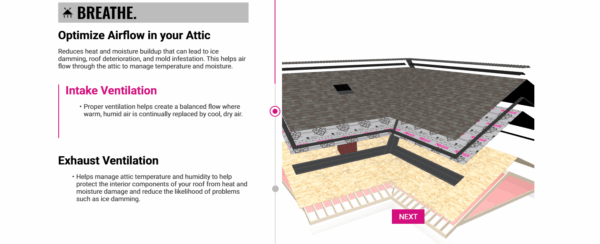
What is Roof Ventilation?
This should help you visualize. And here’s a link describing all the different kinds of roof vents.
Why Roof Ventilation Matters When Replacing Your Roof
If you’re investing in a brand-new roof, you want it to last. That means you can’t just replace the shingles and ignore the other pieces—like the ventilation system.
Here’s why:
- It Protects Your Shingles from Premature Aging
Shingles are designed to withstand heat, but constant exposure to excessive attic temperatures will shorten their life. Without good ventilation, heat builds up under the shingles, causing them to curl, crack, or lose granules faster than they should. - It Prevents Moisture Damage
Louisiana’s humidity isn’t just uncomfortable—it’s a threat to your home. Without ventilation, humid air gets trapped in your attic, condenses on wood, and causes rot, mildew, and mold. That moisture can even seep down into your insulation and drywall. - It Maintains Your Manufacturer’s Warranty
Many roofing manufacturers require proper attic ventilation as part of their warranty. If your ventilation isn’t up to code, you could void your warranty before the first storm even hits. - It Keeps Your Energy Bills Lower
Hot attics make your cooling system work harder. Roof ventilation acts like a natural exhaust fan, reducing attic temperatures and easing the strain on your AC. - It Protects the Entire Roof System
Your roof is more than shingles—it’s a layered system designed to work together. Poor ventilation puts every component at risk, from the decking to the underlayment to the ridge caps.
Signs Your Roof Ventilation Might Need Attention
If you’re replacing your roof, it’s the perfect time to inspect and upgrade your ventilation. Here are a few warning signs your current system might not be doing its job:
- Uneven temperatures throughout your home
- High energy bills in summer or winter
- Rust on metal components in the attic
- Mold or mildew on the underside of the roof decking
If you have any doubts, give the experts at Roofing Louisiana a call, and we’ll come out and give you a free inspection. Or… if you are a DIY kinda guy (or gal), here is a handy Roof Ventilation Calculator from Owens Corning to see if your roof has proper ventilation.
The Roofing Louisiana Approach to Roof Ventilation
We don’t believe in cutting corners—especially not on something as critical as ventilation. When we replace your roof, we assess your home’s needs and recommend a balanced system of intake (usually at the eaves or soffits) and exhaust (at the ridge or gable) that meets manufacturer guidelines and building codes.
This isn’t just about following the rules—it’s about protecting your investment. Skipping ventilation to save a little money now almost always costs far more in repairs later. See how important it is to know the answer to what is roof ventilation?
The Bottom Line
If you’re getting a replacement, make sure roof ventilation is part of the plan.
At Roofing Louisiana, we replace complete roof systems—not just the visible parts—so your home stays protected, your roof lasts longer, and you get the full value of your investment.
If your roof is nearing the end of its life, or if you’ve noticed any of the warning signs above, let’s talk. Give us a call or fill out a form and we’ll inspect your current ventilation for free. We can explain what’s going on, what to do, and give you a plan that works for your home and budget.
Btw… if you need a refresher, here are links to the rest of the Roof Component blog posts:
What is Roof Ventilation?
- Sheathing (or Decking)
- Underlayment
- Flashing
- Drip Edge